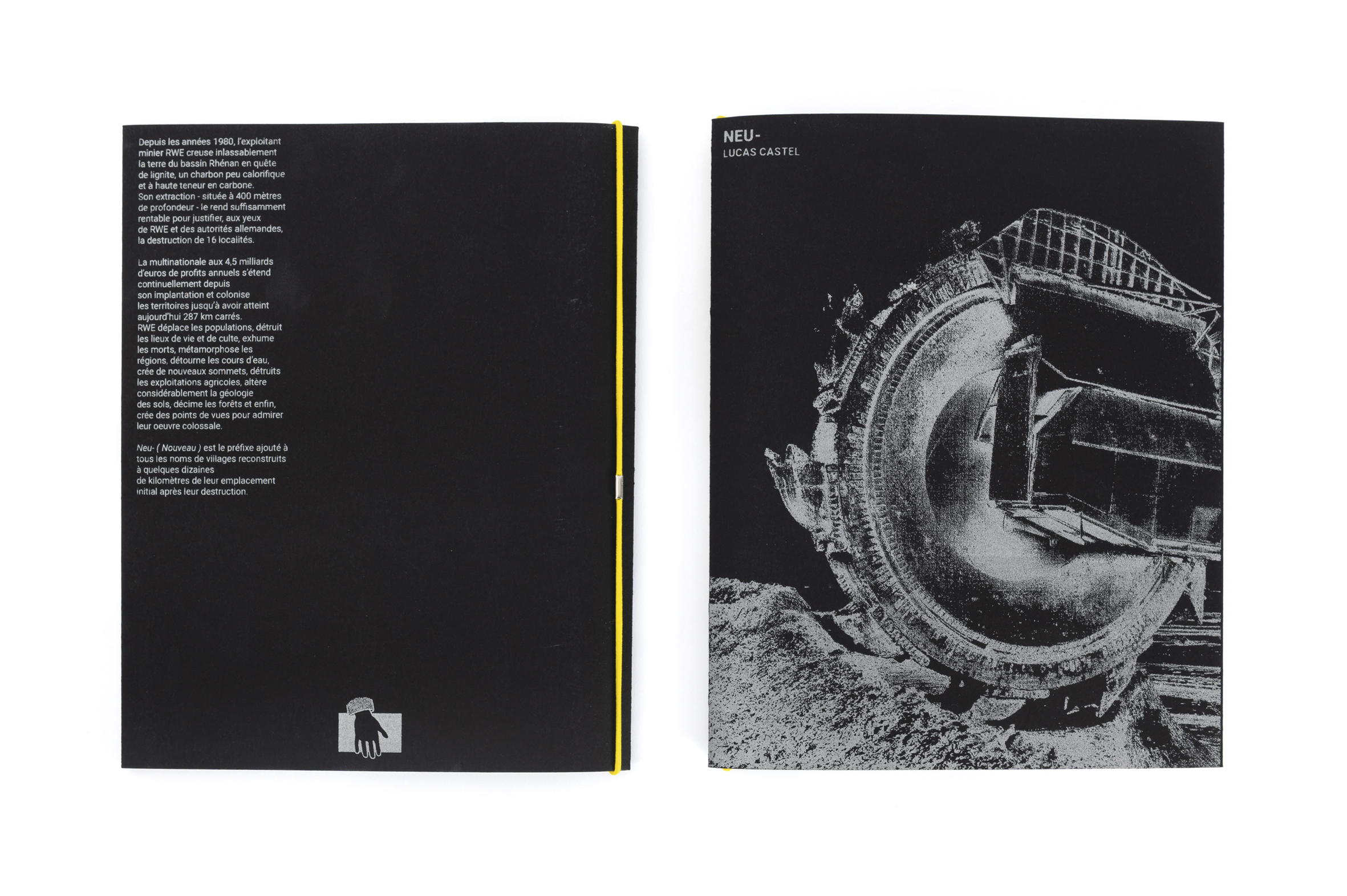
Neu-
Lucas Castel
20x25cm
68 pages
Softcover screenprinted by Juno Semesa (BE)
Yellow elastic
Munken Lynx Rough 120 gr/m²
Luxoart gloss 115g gr/m²
Fedrigoni ultra black Sirio 115 and 280 gr/m²
Texts : Lucas Castel and Éditions La CAB
Printing : Drifosett (BE)
Design : Charles Pigneul
Published in June 2025
300 copies
25€
Shipping (BE): 7€ - (UE) : 12€
With the support of Fédération Wallonie-Bruxelles
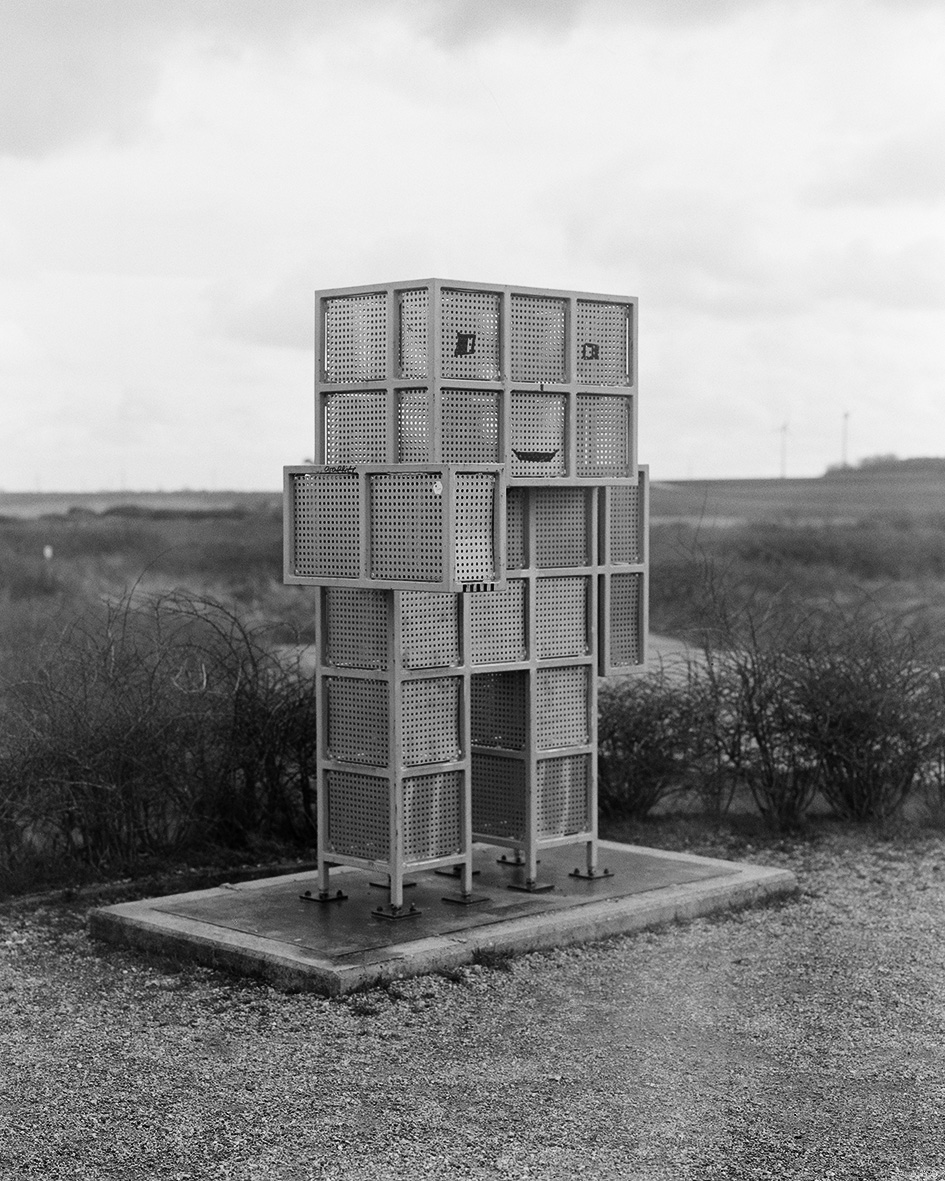
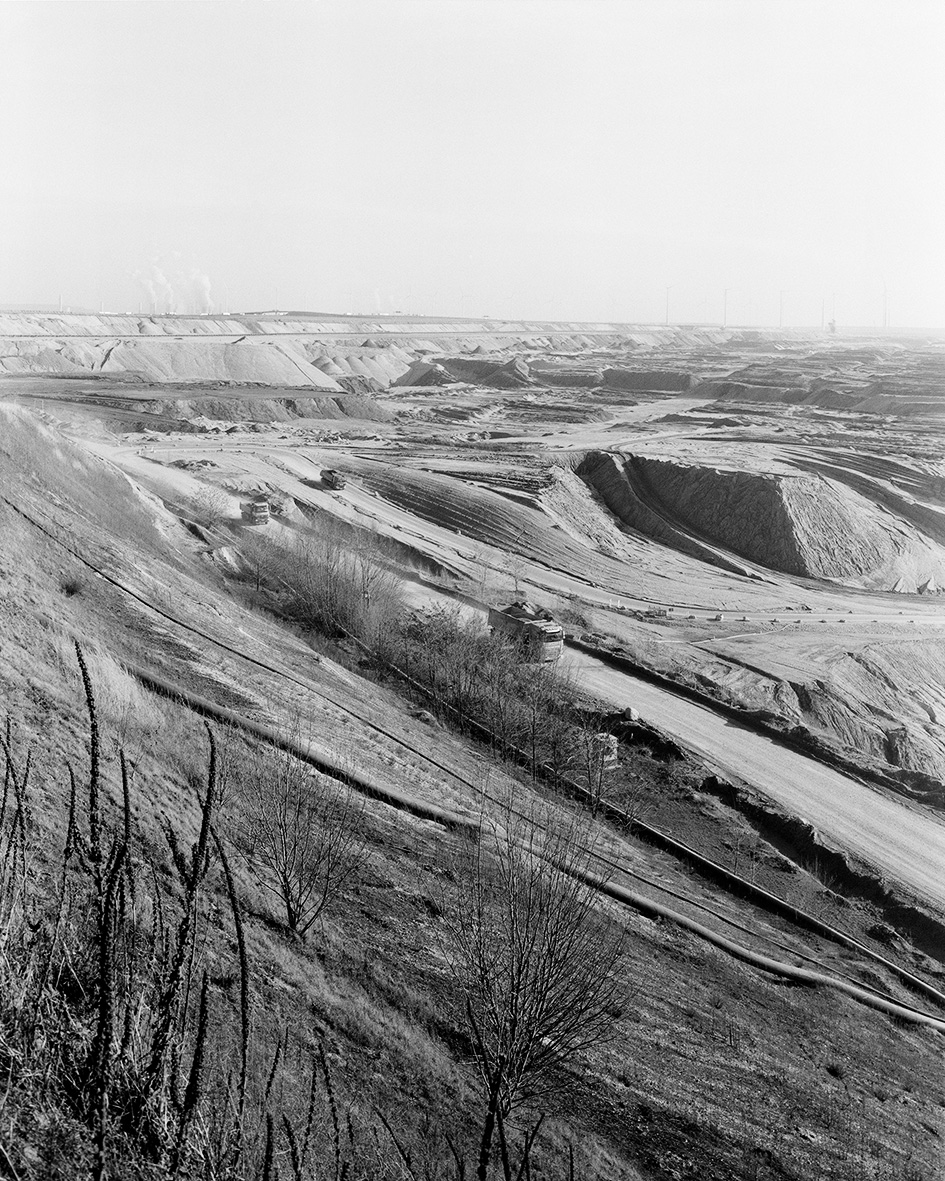
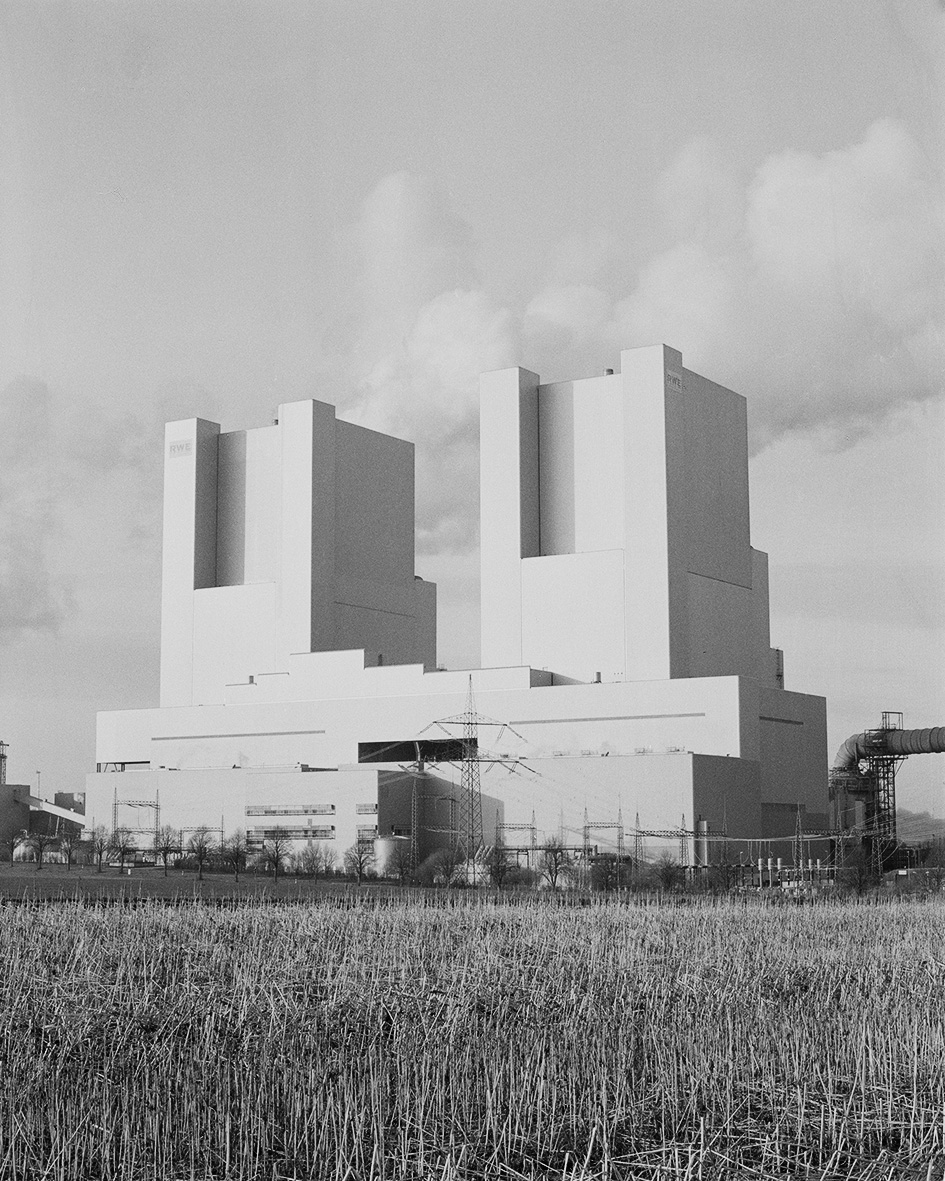
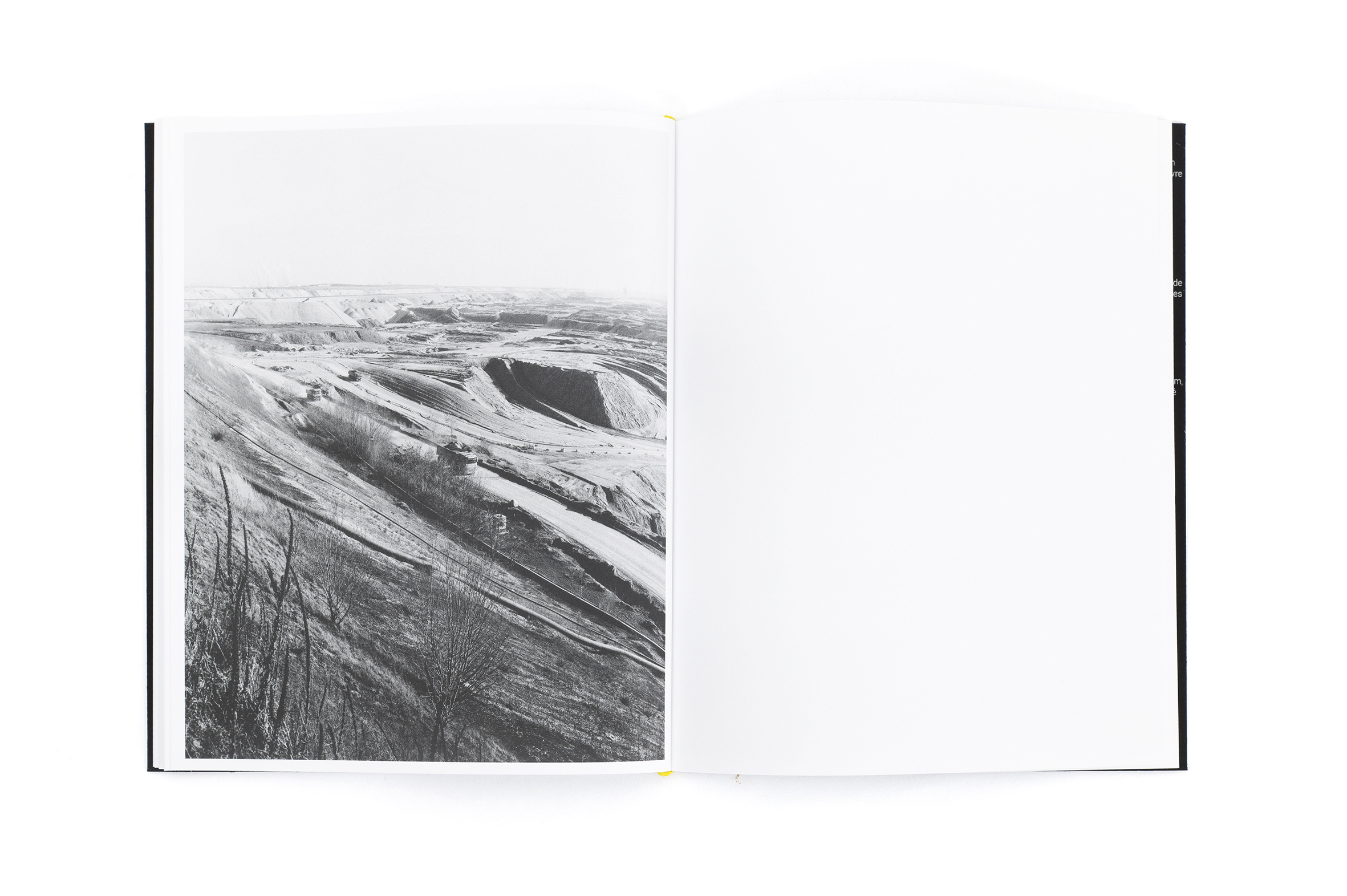
Since the 1980s, the mining company RWE has been relentlessly digging into the soil of the Rhenish basin in search of lignite — a low-energy, high-carbon coal. Its extraction, occurring 400 meters below the surface, is profitable enough to justify — in the eyes of RWE and the German authorities — the destruction of 16 towns.
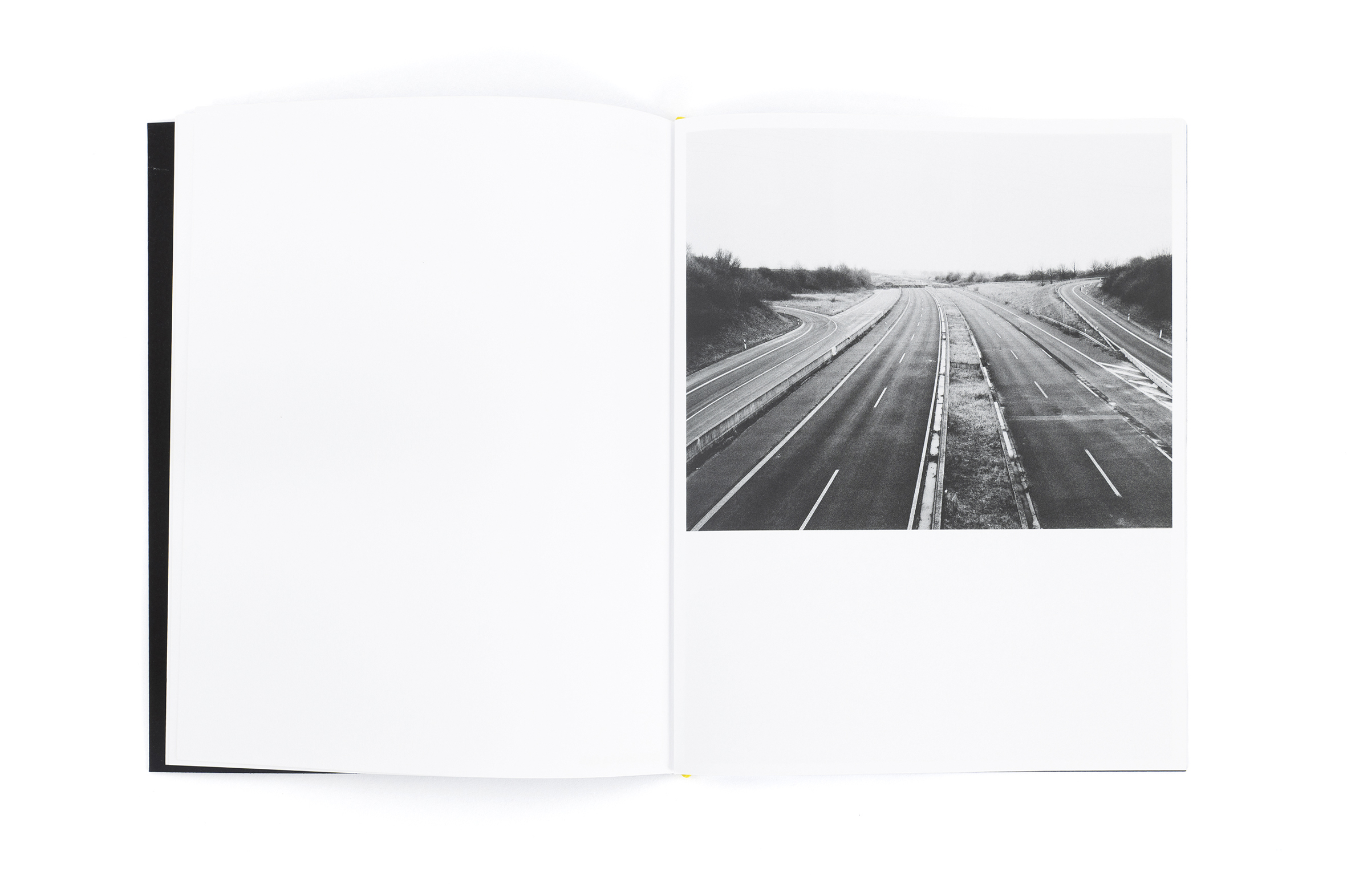
The multinational, which earns €4.5 billion in annual profits, has been continuously expanding since its establishment, colonizing territory until reaching 287 square kilometers today. RWE displaces populations, destroys homes and places of worship, exhumes the dead, transforms entire regions, diverts rivers, creates new summits, eradicates farmland, significantly alters soil geology, decimates forests, and ultimately creates viewpoints from which to admire its colossal work.
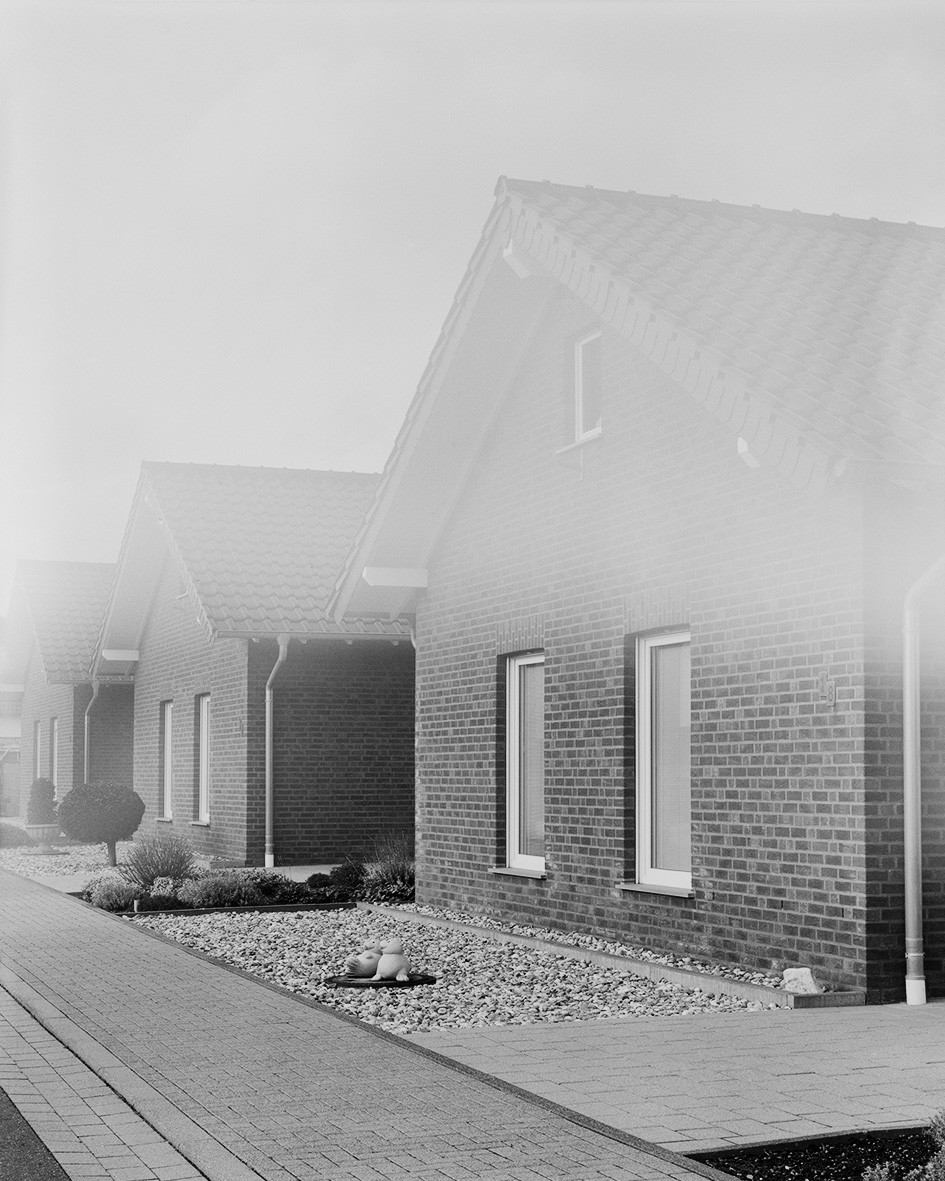
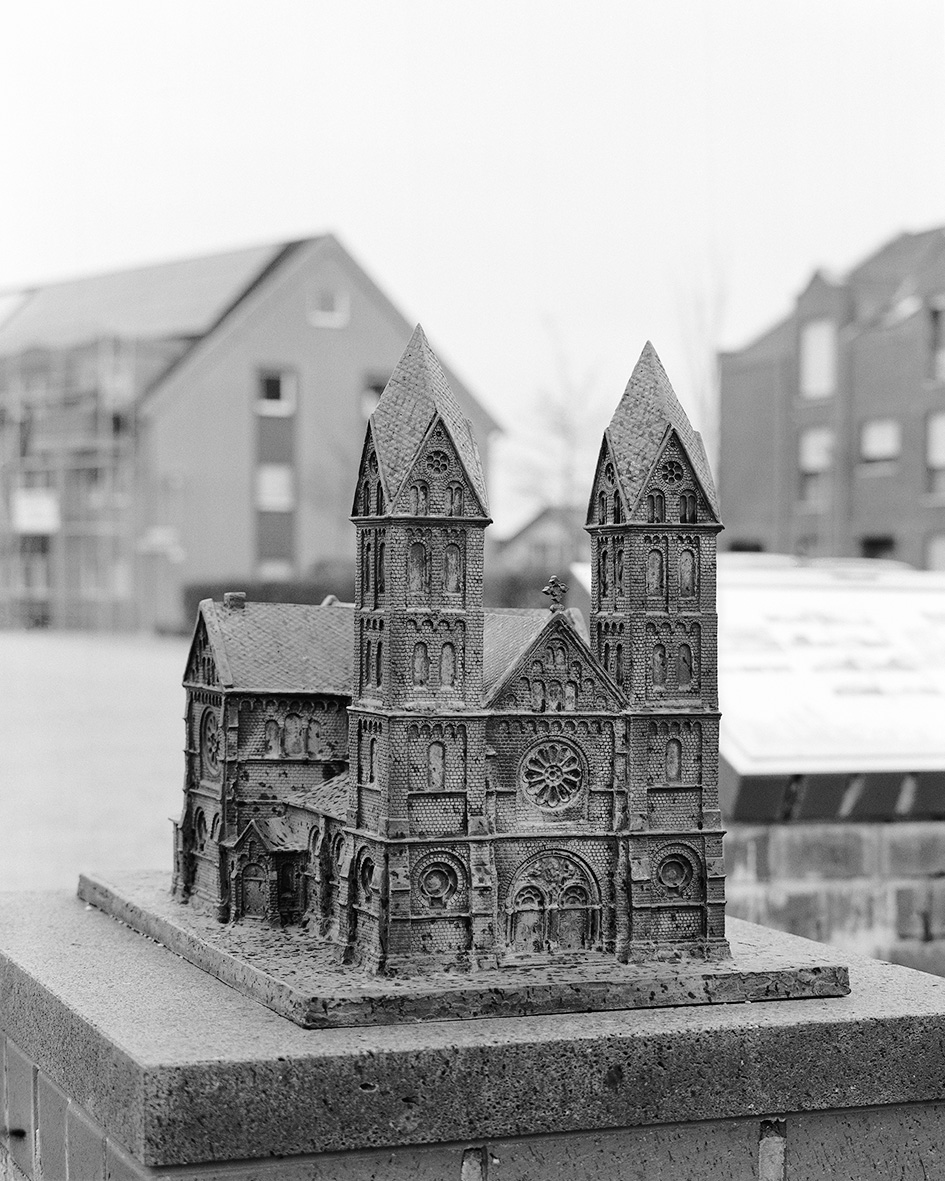
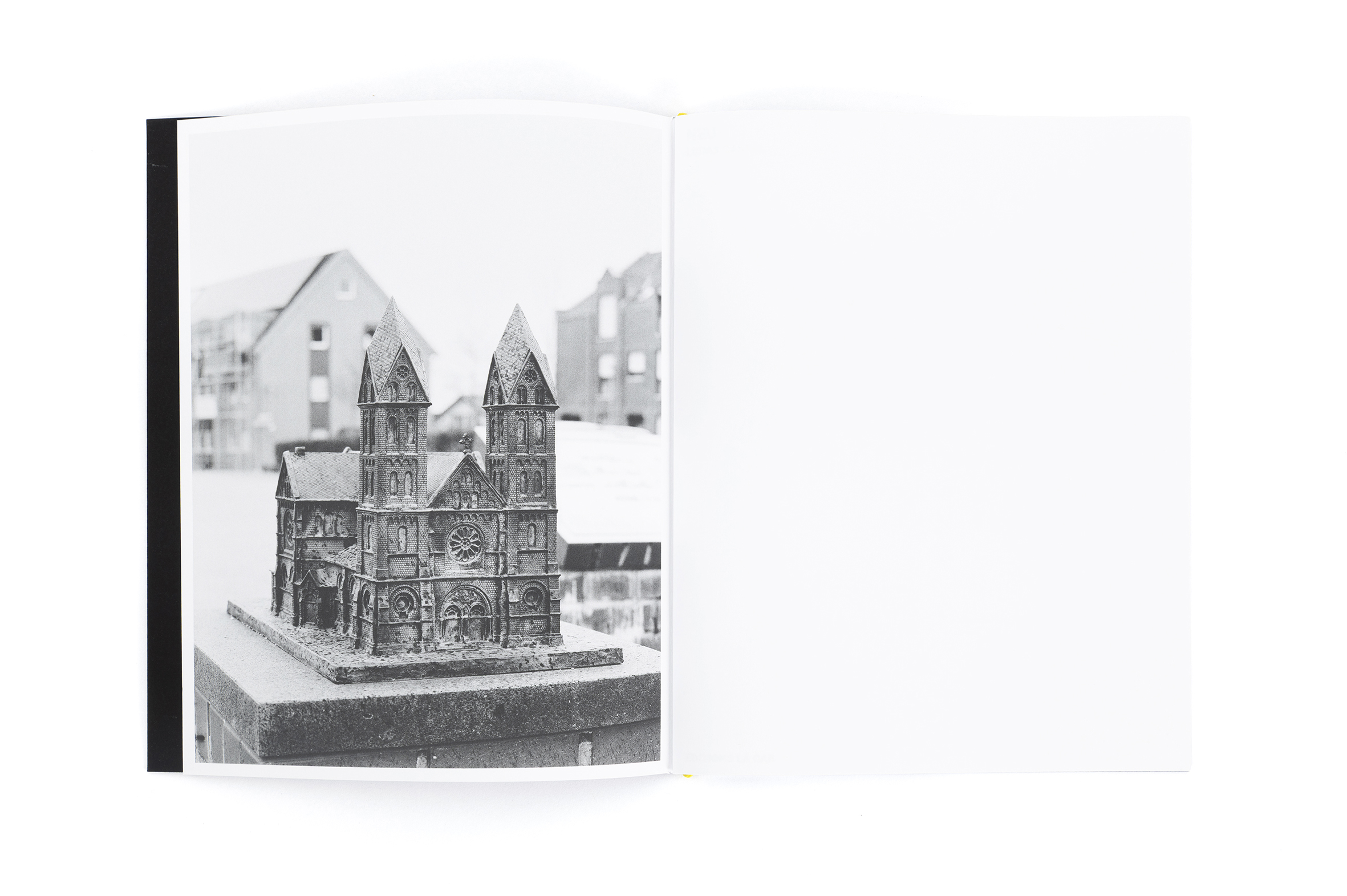
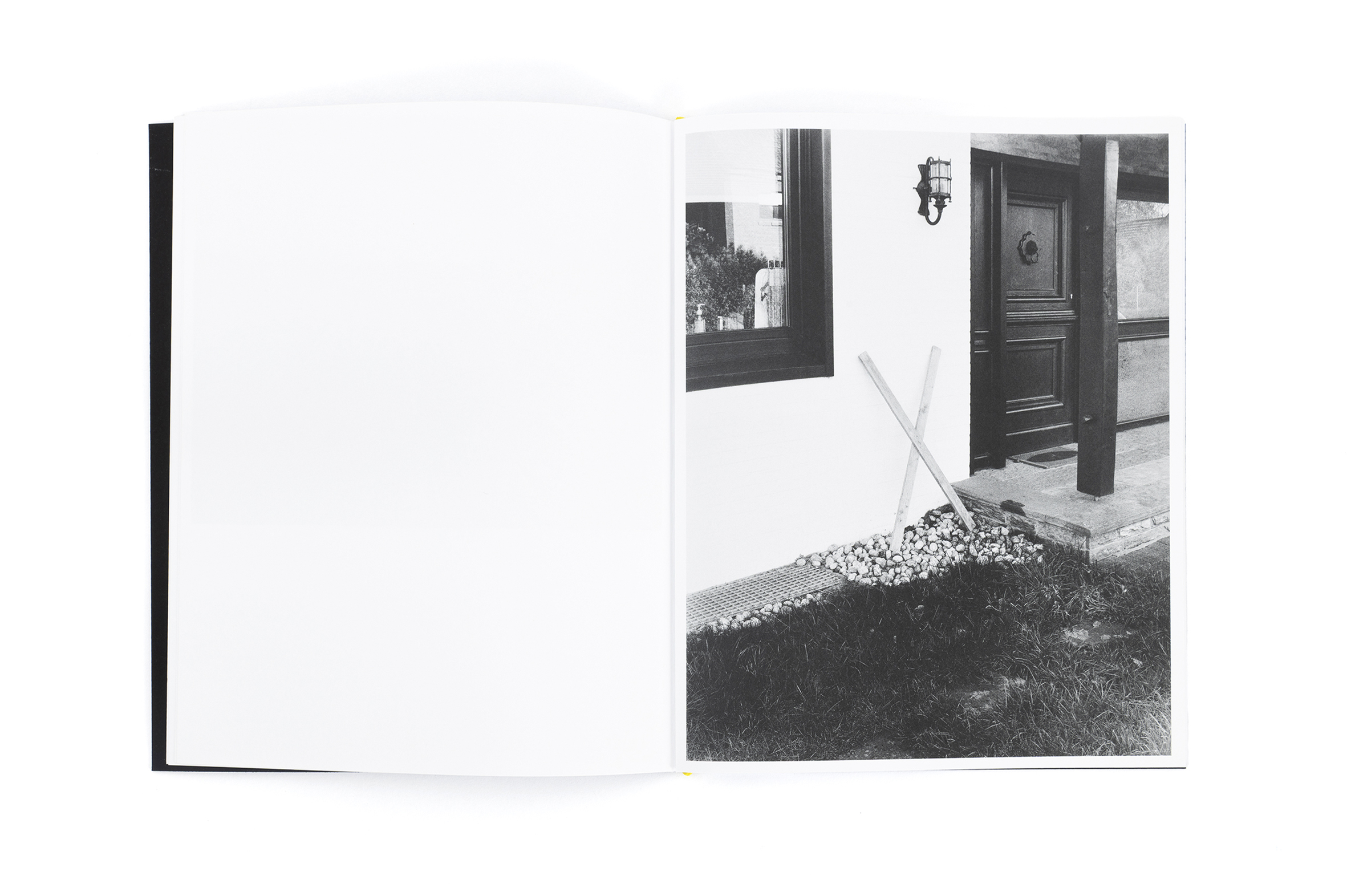
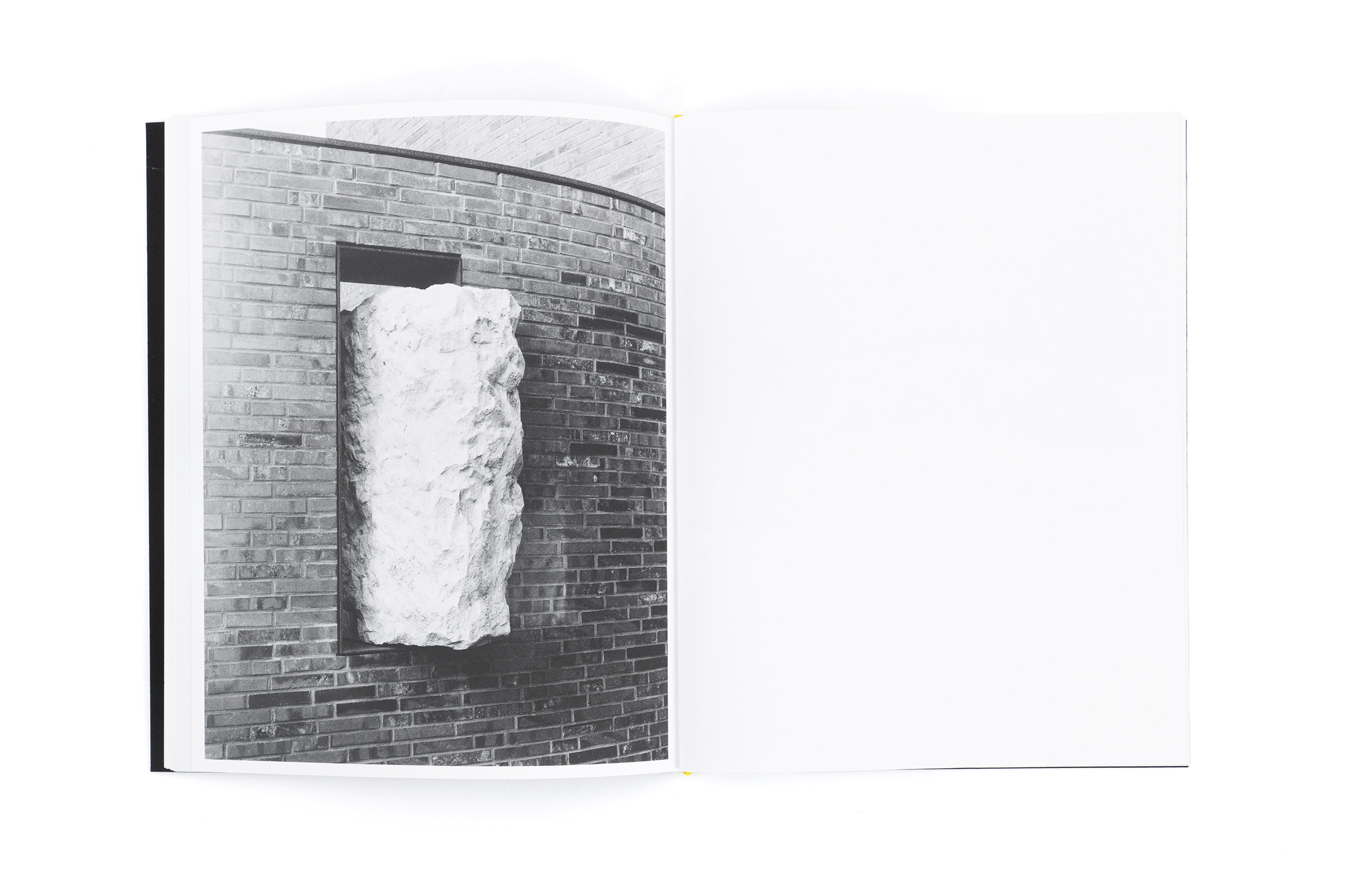
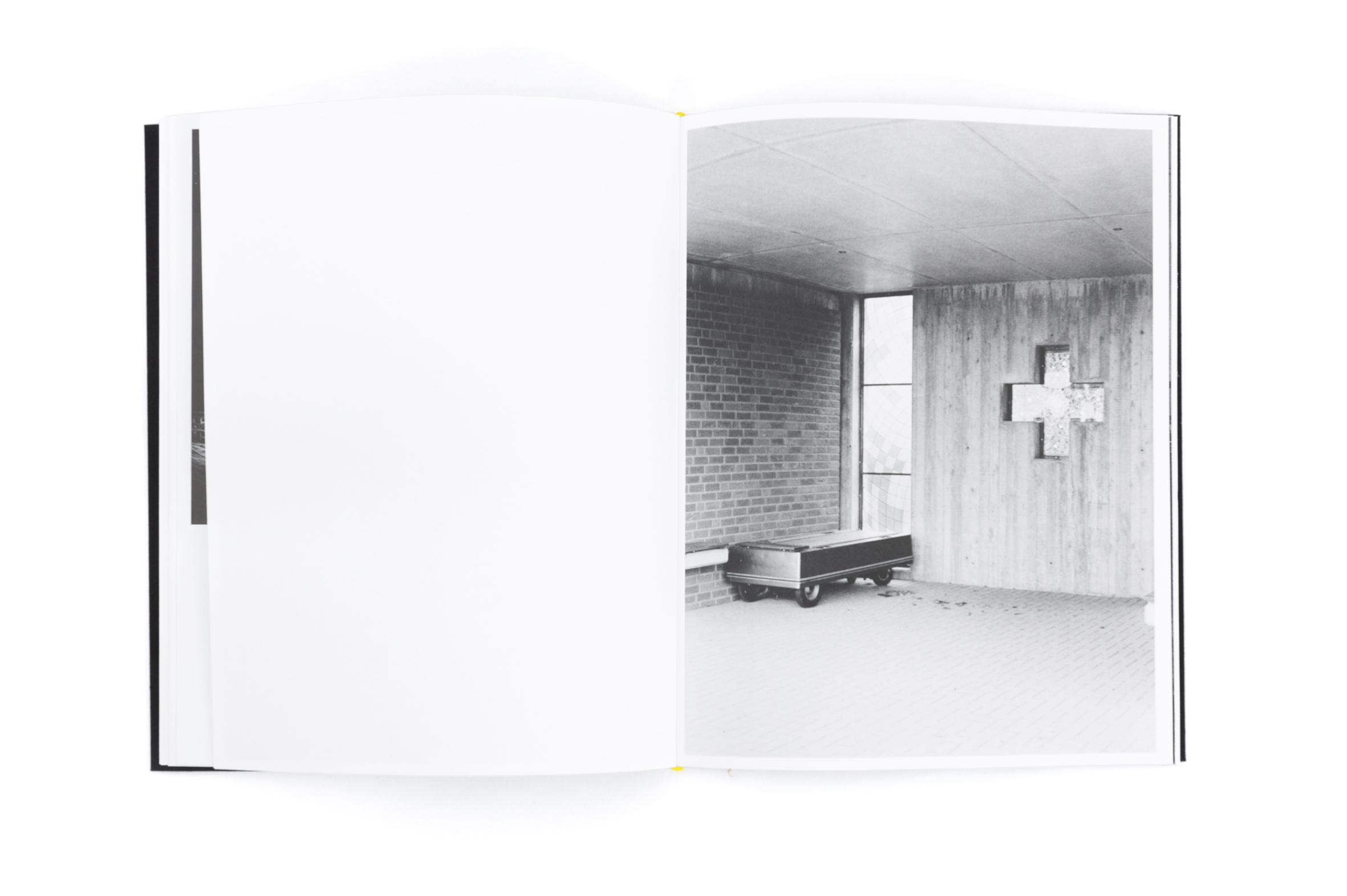
Neu- (“New”) is the prefix added to the names of villages rebuilt dozens of kilometers away from their original location after their destruction. Neu- is also a reference to the world according to RWE — a world where churches are sterilized, and rural roads give way to autobahns. A world where the scarred earth is viewed as a fascinating and spectacular landscape.
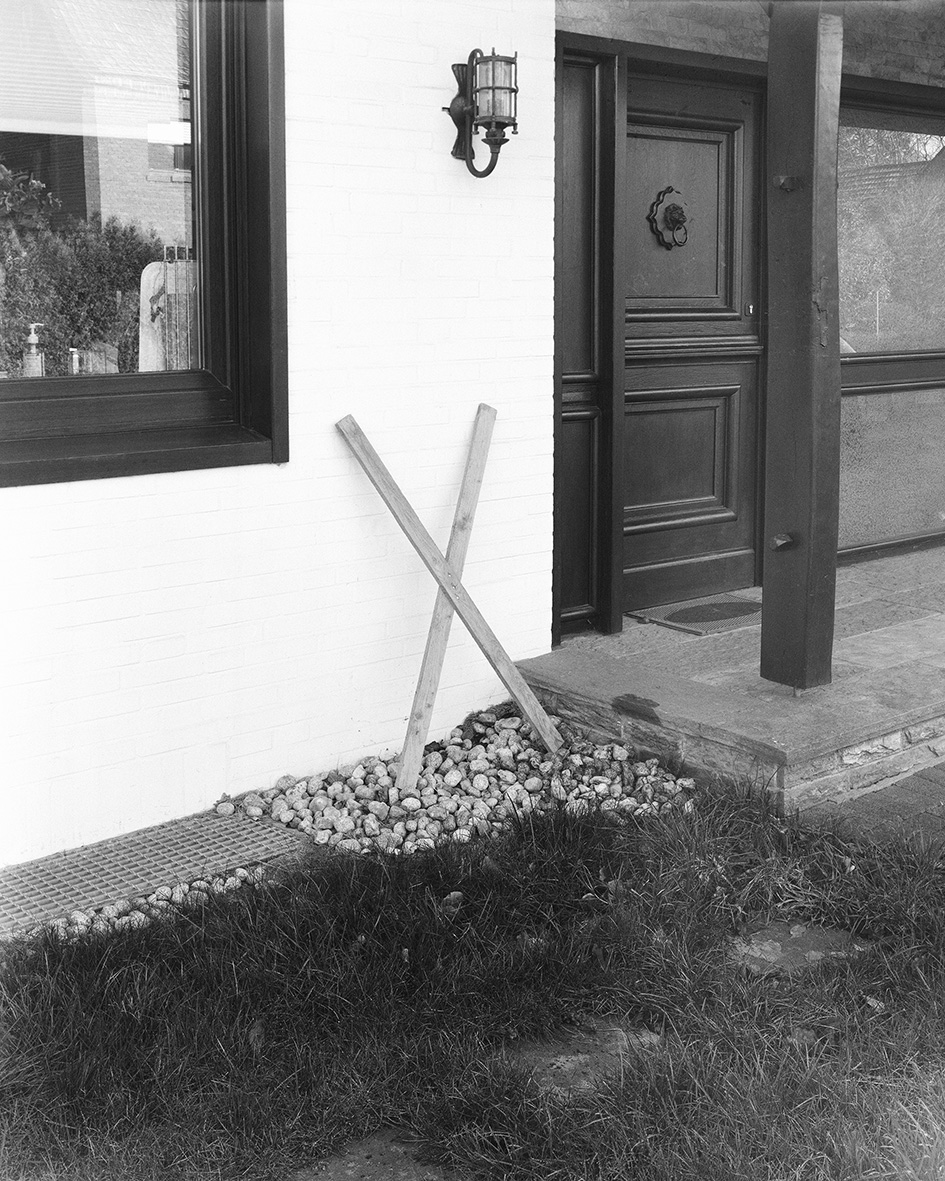
This photographic work addresses the upheaval experienced by this region beyond the gaping wounds left by RWE. By focusing on what surrounds them, this book relies primarily on the power of the off-screen — leaving a constant sense of threat hanging — in an attempt to reflect the violence inflicted upon the region and its inhabitants.
Neu- offers a glimpse into the intellectual and moral collapse brought about by the chaos produced by RWE: the displacement of populations it causes, the systematic destruction of local history, and the alteration of the landscape — all driven by a disconcerting cynicism.